Why Red Dead Redemption Still Sidesteps PC in 2026
Red Dead Redemption's absence on PC spotlights a preservation crisis as remasters favor graphics over access.
Back in 2010, Red Dead Redemption galloped onto consoles as a dusty, blood-soaked epic that reshaped the open-world frontier. Over a decade later, its sequel has found a permanent home on PC, yet the original remains a spectral presence — an apparition trapped behind a glass pane that millions of keyboard-and-mouse riders can press their faces against but never break through. This absence feels less like a deliberate choice and more like a locked vault in a museum of interactive art, with the curator having misplaced the key.
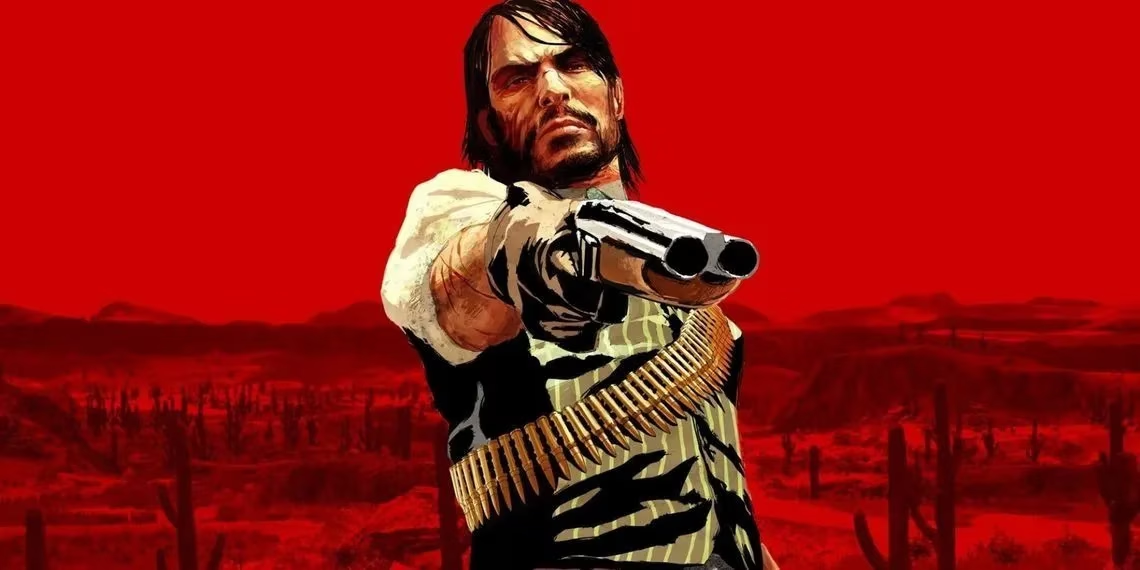
The industry’s fervor for remakes and remasters has become a gilded treadmill, churning out polished relics while fresh ideas gather dust. In 2025, the practice reached a fever pitch: studios poured resources into adding extra wrinkles to Joel’s face or making puddles reflect neon just so, all to repackage decade-old narratives with zero creative risk. Red Dead Redemption’s 2023 port to Switch and PS4 was a strange chapter in this trend — a 13-year-old game arriving on hardware already showing its age, as if someone had restored a vintage stagecoach but refused to let it roll on modern roads. What stung more than the absence of visual upgrades, however, was the platform left out in the cold: PC.
Ports are, as a rule, a net positive. They fling open doors to back catalogs and let players on aging machines keep exploring. But the question that refuses to die is: why isn’t Red Dead Redemption on PC? The sequel, Red Dead Redemption 2, thundered past 50 million copies sold partly thanks to its Steam debut, proving that the hunger for Rockstar’s single-player sagas is anything but console-exclusive. PC ports of former PlayStation exclusives have become cash cows in recent years — even when they launch with technical hiccups, titles like The Last of Us Part I and Final Fantasy VII Remake rake in millions from a platform that thirsts for cinematic storytelling. Skipping the PC audience for the first Red Dead feels like a trader in a bustling frontier town refusing to sell to anyone not carrying a specific badge, while customers wave fistfuls of dollars from the other side of the saloon door.
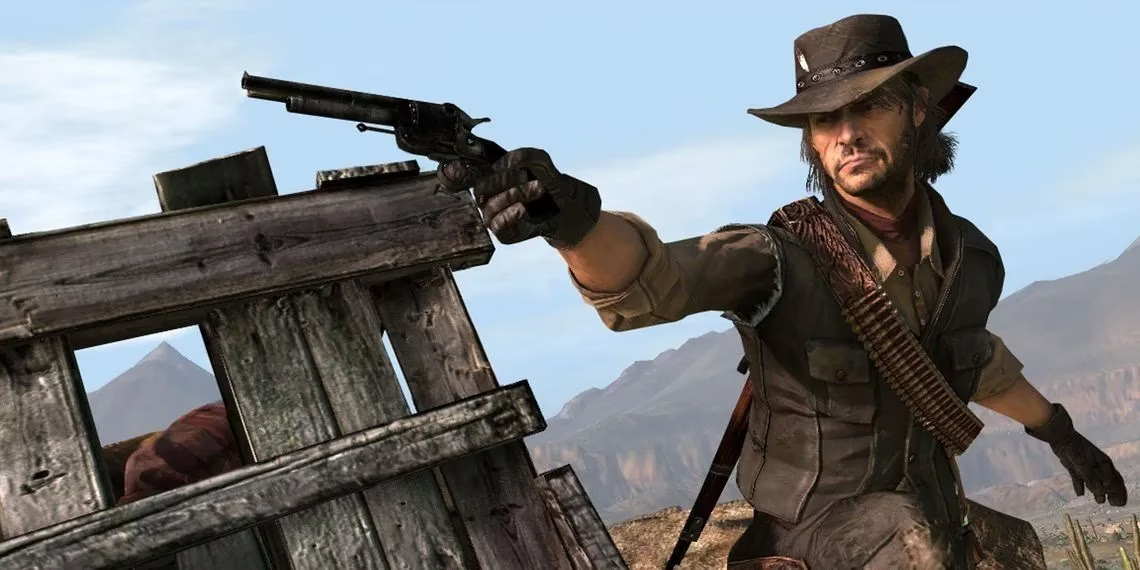
Preservation is the quieter tragedy here. Physical discs of the original game now fetch three-figure sums in second-hand shops, and even then, resurrecting them requires wrestling with dusty hardware that might wheeze its last breath. Remasters often compound the issue by nudging companies to treat the older version as a disposable draft — why keep the raw canvas when the touched-up print sells better? PC stands as the digital archives’ last stalwart, a platform where community patches, emulation, and sheer stubbornness keep legacy titles breathing long after their console counterparts have turned to fossils. Without a PC version, Red Dead Redemption is like a fading photograph tucked in a family album that can only be opened by a select few — its chemical decay accelerated by stubborn gatekeeping.
The counterarguments flimsy by 2026. Rockstar’s silence suggests either a grander remake plan (which would only deepen the preservation wound) or a baffling disinterest in easy revenue. The original code may be a tangled thicket, but the studio’s resources could hack through it if the will existed. Others whisper about licensing music or other contractual ghosts, yet in an era where even obscure titles find their way onto GOG, such excuses ring hollow. Every month that passes without a PC release widens the rift between a masterpiece and the audience that wants to study it under a magnifying glass — modding its horse physics, restoring cut content, or simply experiencing John Marston’s redemption arc without squinting at a sub-720p signal.
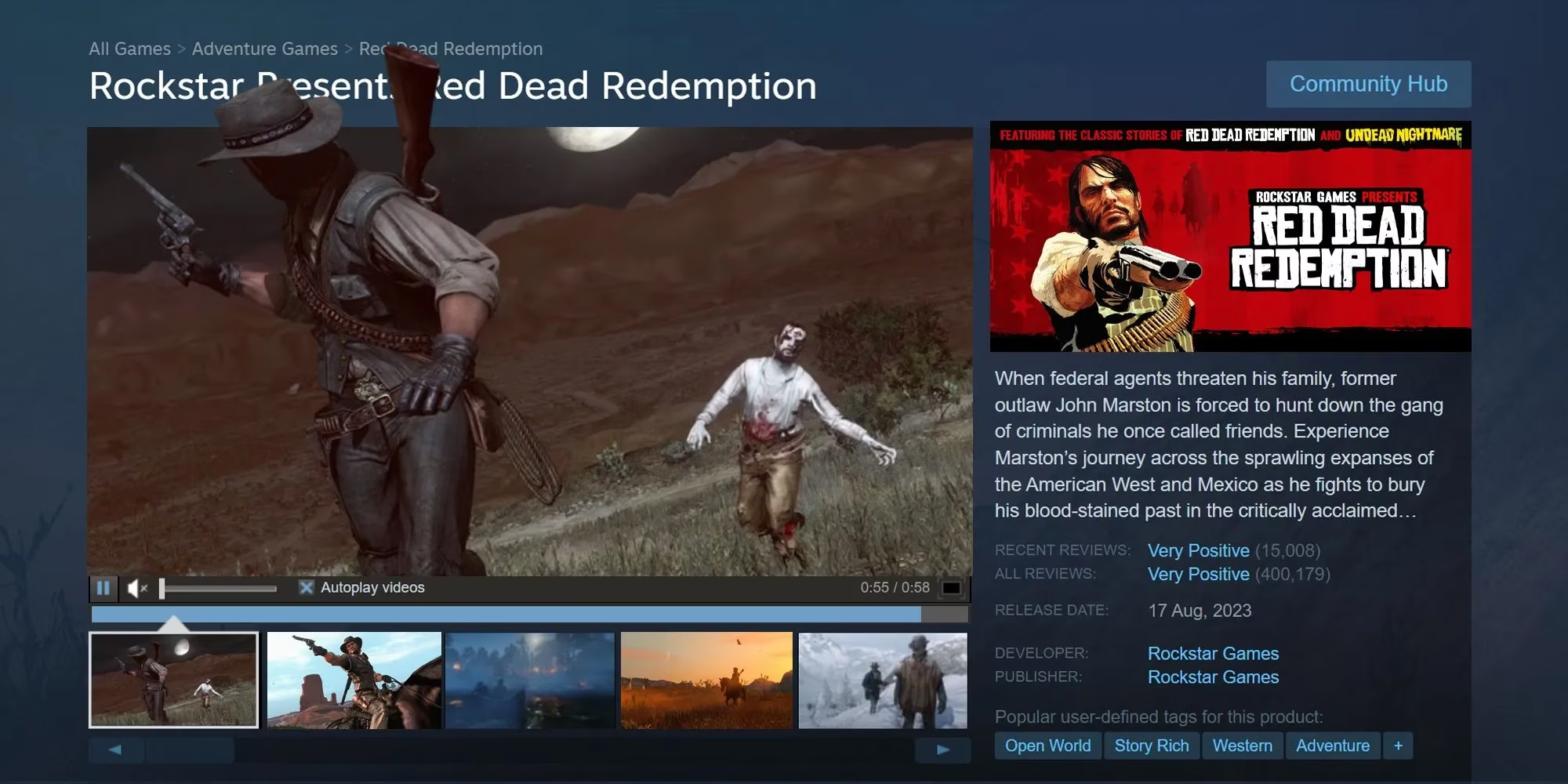
Red Dead Redemption on PC wouldn’t just be a port. It would be a lighthouse beam cutting through the fog of planned obsolescence, a statement that great stories belong to no single generation of hardware. The title’s continued absence is a splinter under the fingernail of game preservationists, a constant low-grade irritation that reminds everyone how fragile the medium’s history remains. When the sequel already thrives on the same platform, leaving the progenitor to rot is like printing a beautiful atlas but locking the first volume in a chest at the bottom of the sea. Until Rockstar addresses this glaring oversight, the gap will keep yawning — a hollow, dusty expanse where a piece of gaming’s soul should be.