Unforgettable Random Encounters That Define Red Dead Redemption 2's Living World
Red Dead Redemption 2's meticulous world-building thrives through chance encounters, revealing hidden stories like the Aberdeen Pig Farm scam.
Rockstar's greatest asset in crafting games has always been its staggering attention to detail. Its worlds feel unmatched, not just in the meticulous rendering of the environment, but in the richly drawn lives of the people inhabiting it. Nowhere is this treasure trove of humanity displayed more vividly than in Red Dead Redemption 2. Set in 1899, as the frontier era gasps its final breaths, the game presents a vast, slow-burning narrative that urges players to absorb every nuance. The sheer density of character-driven moments means many of the most memorable stories unfold not in main missions but through chance encounters on the trail. Even eight years after its release, adventurers continue to stumble upon events they have never witnessed before, a testament to the intricate scripting of this living world.
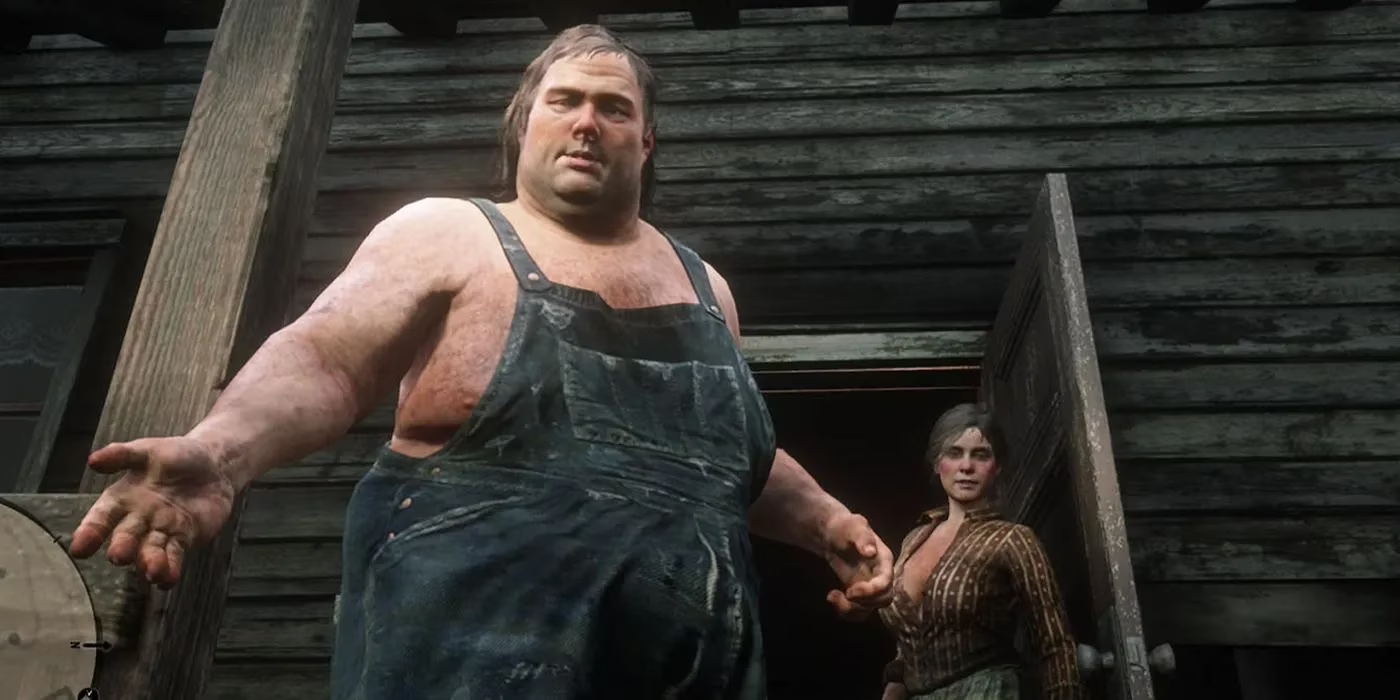
Beyond the grand tale of the Van der Linde gang's collapse, a web of smaller, often unsettling dramas plays out across the map. One of the earliest and most deceptive of these involves the Aberdeen Pig Farm. Nestled in the hills, this seemingly idyllic homestead is home to an overly welcoming brother and sister. Their hospitality soon turns sinister; after a hearty meal and a few too many drinks, Arthur Morgan wakes up in a ditch, robbed of his entire savings. The true mastery of this encounter lies in its foreshadowing. Other strangers across the countryside murmur warnings about a \u201cpeculiar\u201d family out that way, encouraging players to connect the dots. It is a grim reminder that in a dying age of outlaws, trust is a luxury few can afford.
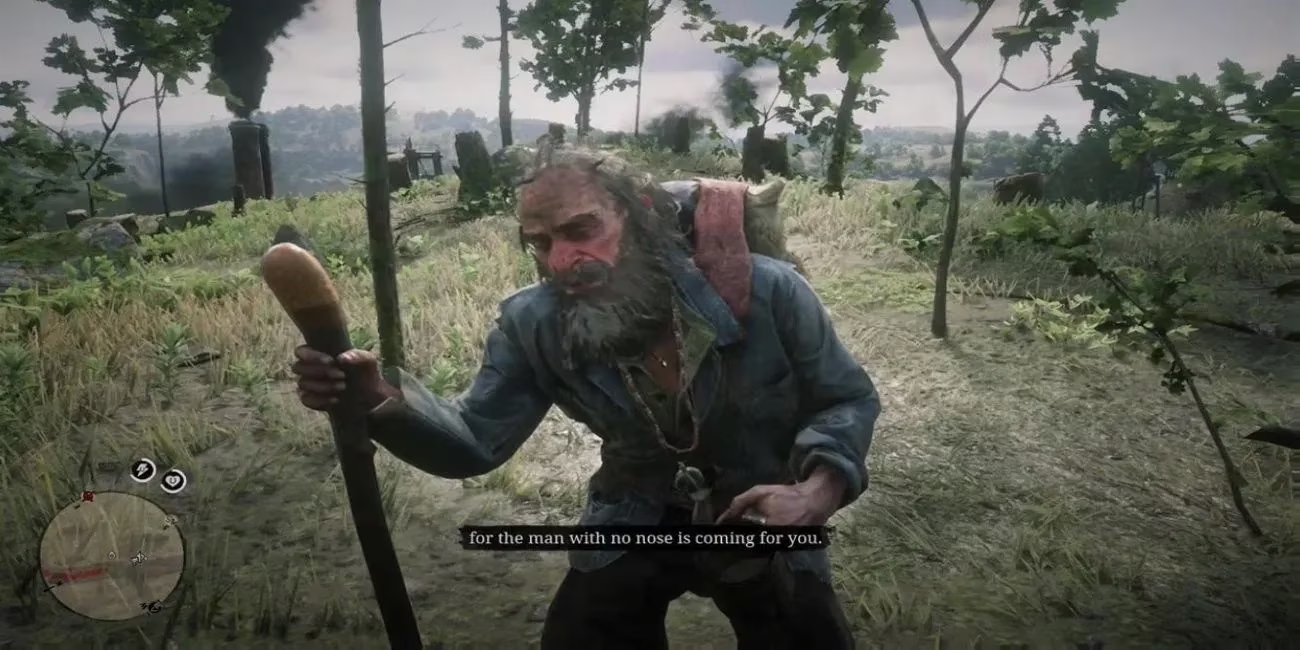
The mystical undercurrent of the landscape often emerges through its wanderers. Deep in the forests, a blind hermit can be found, calling out for a pittance. Should Arthur show kindness and drop a coin, the man returns the favor with cryptic pronouncements. Each utterance is an omen, layered with prophetic weight: he speaks of a man without a nose, of flowers finally blooming, and of the grave waiting for the gunslinger himself. This ragged prophet possesses a perfect, tragic clarity about the future, offering a haunting window into Arthur\u2019s inevitable fate long before the diagnosis of tuberculosis sets the final act in motion.
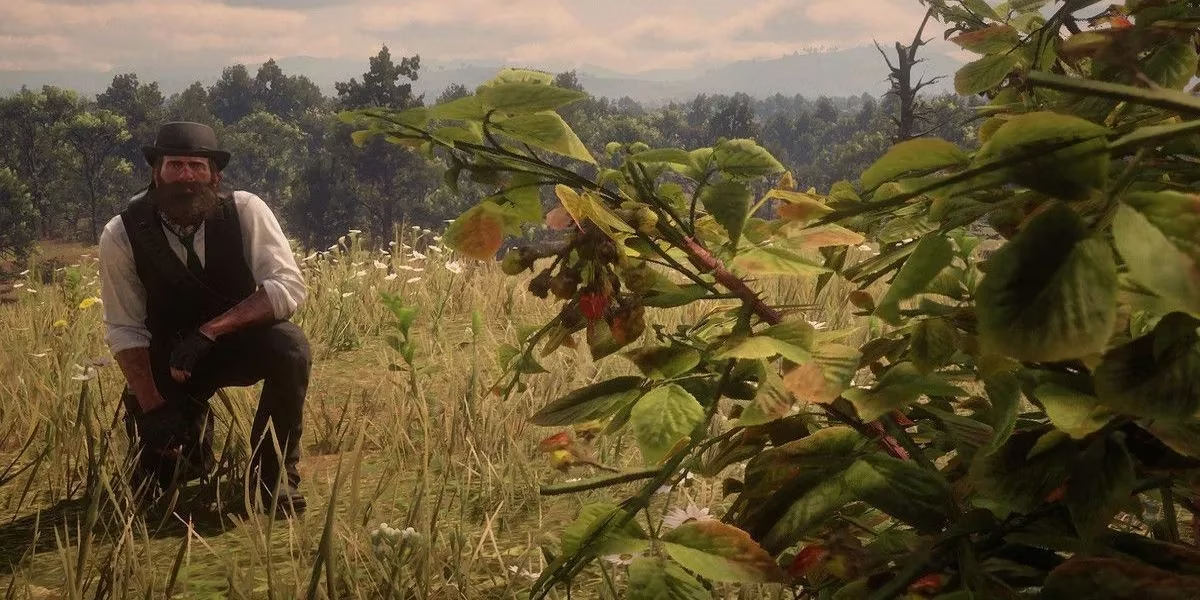
Not all wanderers are steeped in gloom. William, a gentle plant enthusiast, appears randomly across the rangeland, tasking Arthur with gathering local herbs. These small errands, in which the outlaw crouches near vibrant flowers and aromatic sage, emphasize the astonishing variety of flora and fauna the game simulates. William shares folk wisdom about the curative properties of each plant, offering a quiet, reflective interlude amid the chaos of gang politics. His presence underscores how Red Dead Redemption 2 treasures the simple joy of cataloging the natural world, a pastime that can easily consume dozens of hours.
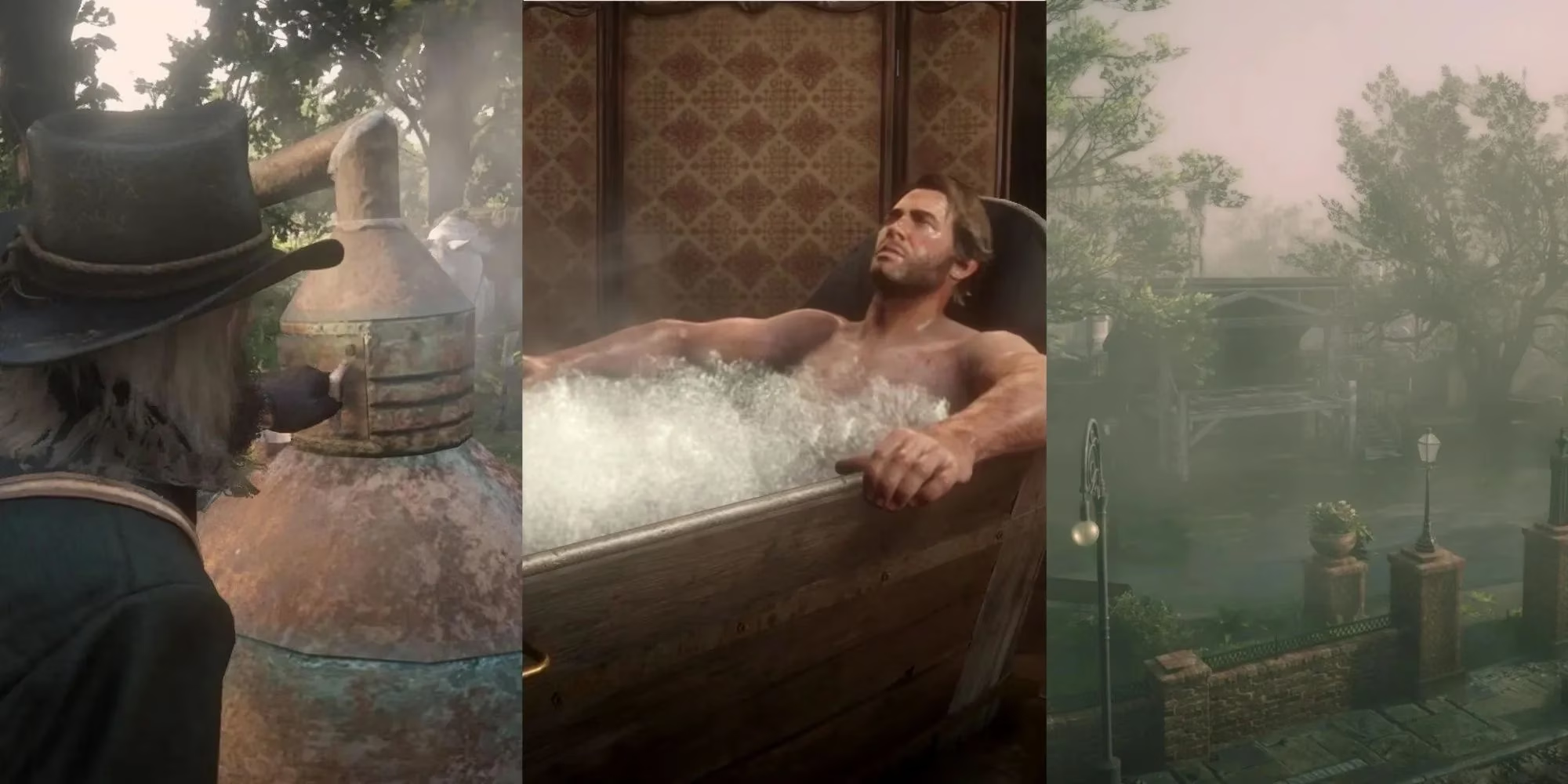
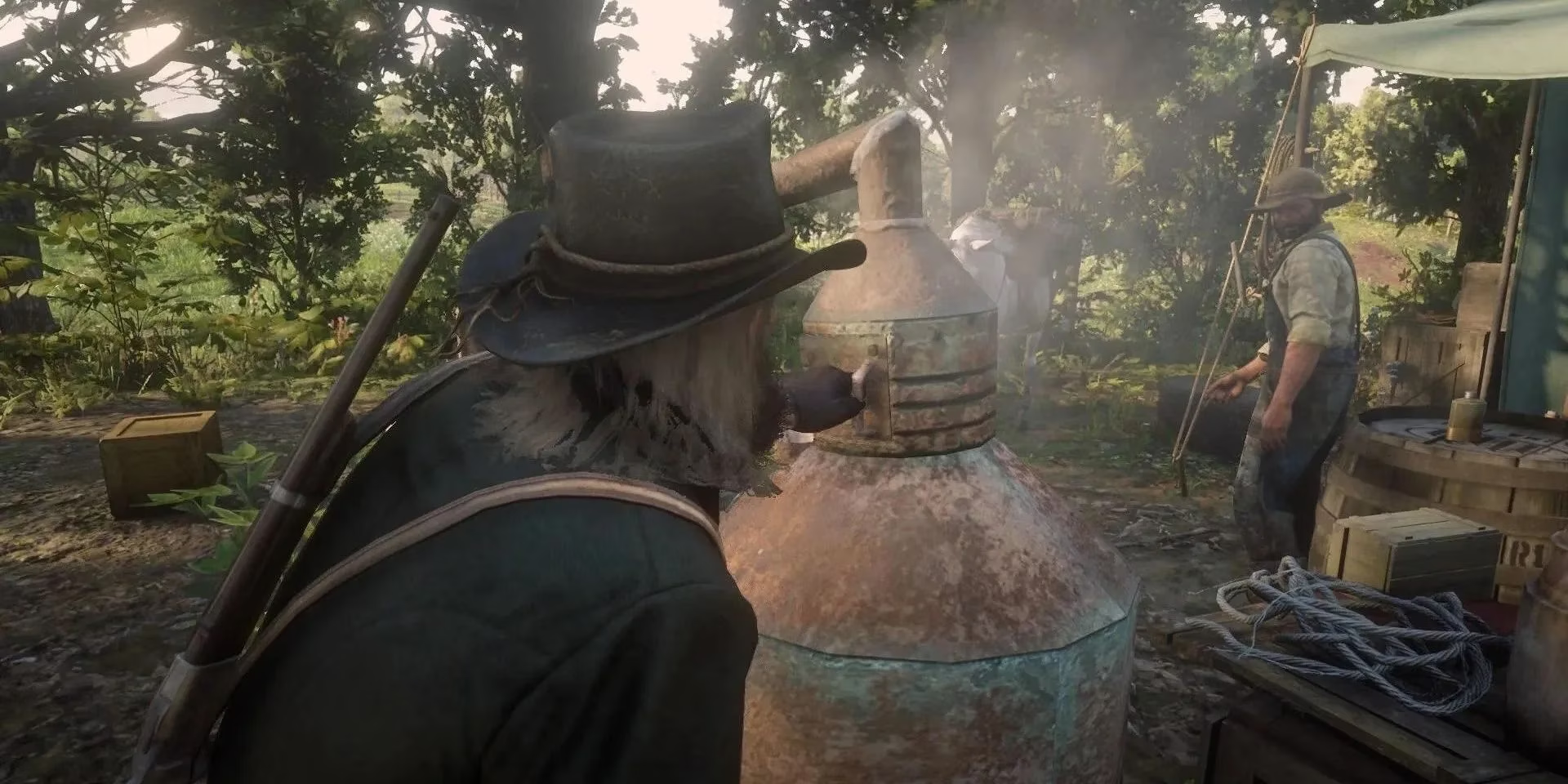
The intersection of frontier ingenuity and foolhardiness ignites another memorable encounter: the quest for the perfect moonshine. A group of backwoods eccentrics, operating a hidden still, are determined to create the finest illicit liquor ever to cross their lips. They enlist Arthur\u2019s help in gathering ingredients, but his participation takes a disastrous turn when he suggests adding Oleander, a poisonous plant. The resulting batch proves lethal, and the would-be brewers meet a tragic end. This episode perfectly captures the deadly curiosity of an era teetering on the brink of Prohibition, where home-brewed concoctions could as easily cure as kill.
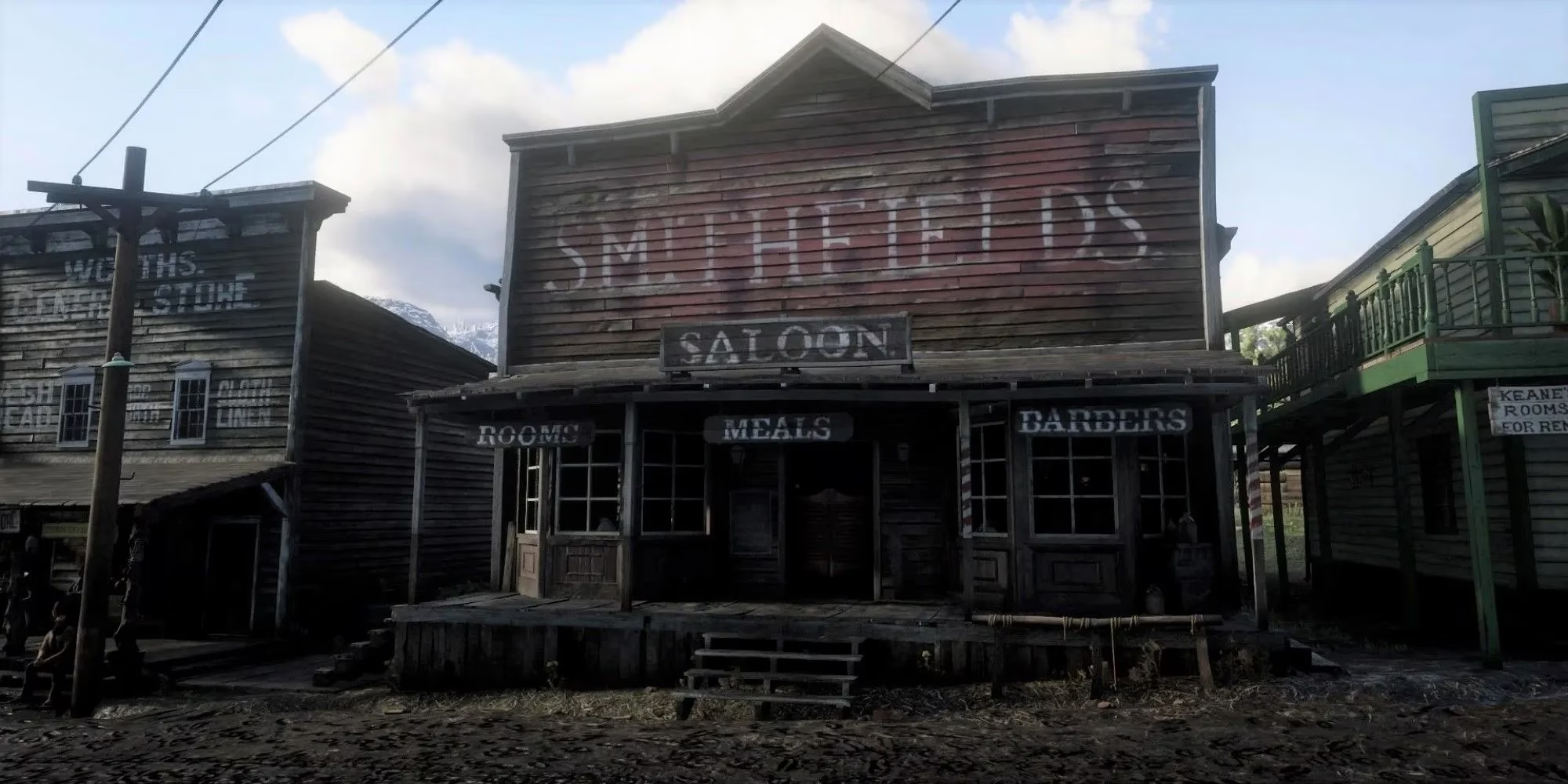
The grim realities of 1899 also surface in Valentine\u2019s saloons and back alleys. A distressed woman pleads for Arthur\u2019s assistance after a client grows violent and she kills him in self-defense. Ever the gentleman rogue, Arthur disposes of the body. The situation, however, repeats itself with unsettling frequency, until the woman is finally apprehended and hanged for murder. The game refuses to provide a clear moral verdict; players are left to wonder whether her actions were tainted by desperation or simply a chain of tragic self-defense that a society fundamentally hostile to women would never understand.
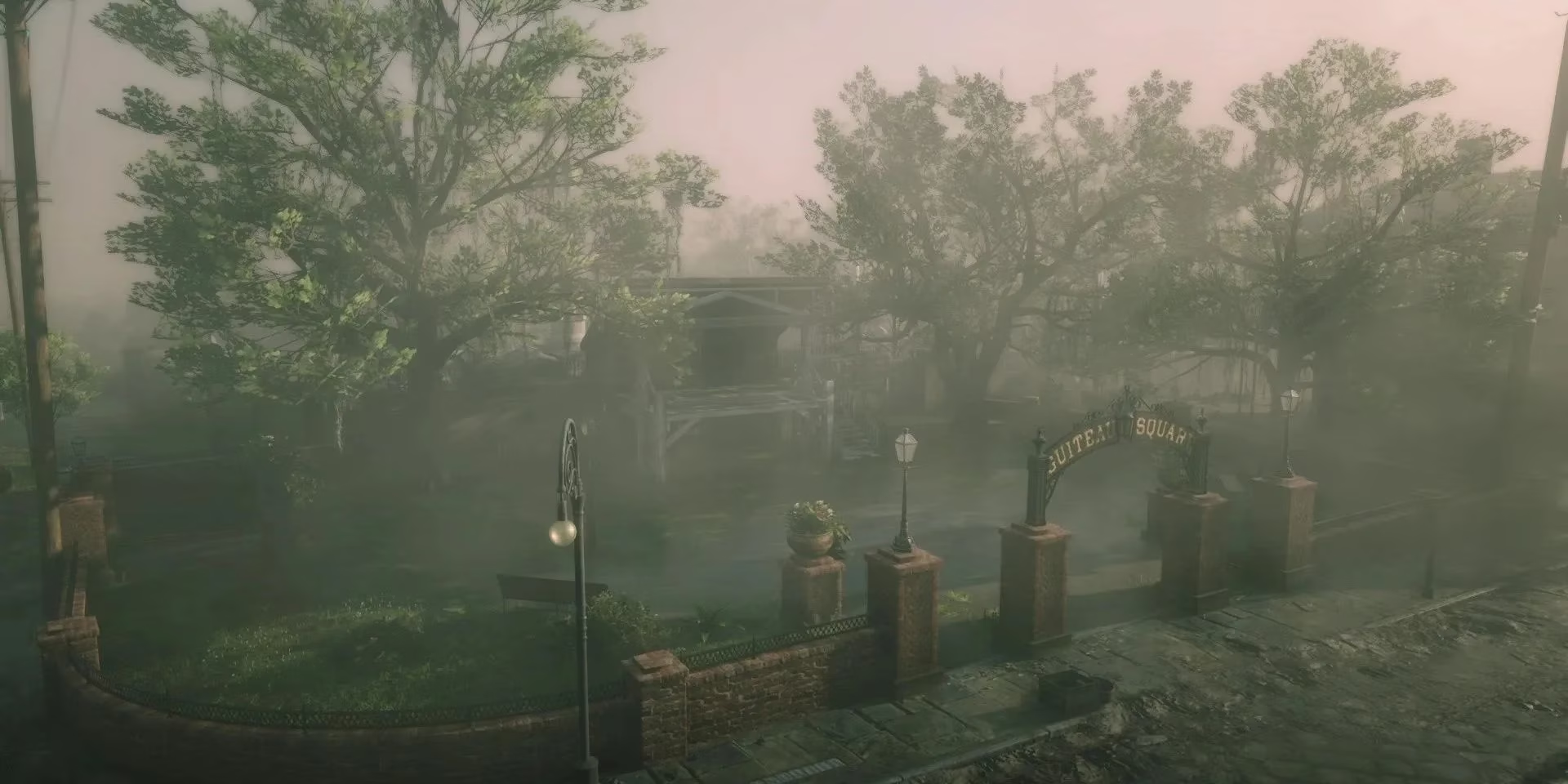
Sometimes the cruelest irony is scripted into the fabric of the world itself. In the murky bayous of Lemoyne, Arthur can encounter a man stumbling out of the swamp, deathly pale and mortally injured. Racing him to a doctor in Saint Denis, the player performs a genuine good deed. Yet the very next chapter, that same man can be seen swinging from the gallows in Saint Denis for his crimes. Arthur even exclaims in disbelief, lamenting that he saved the man only for the noose to claim him anyway. This brutal circularity reinforces the game\u2019s core thesis: no matter how valiantly one struggles against the tide, fate in this era is rarely kind.
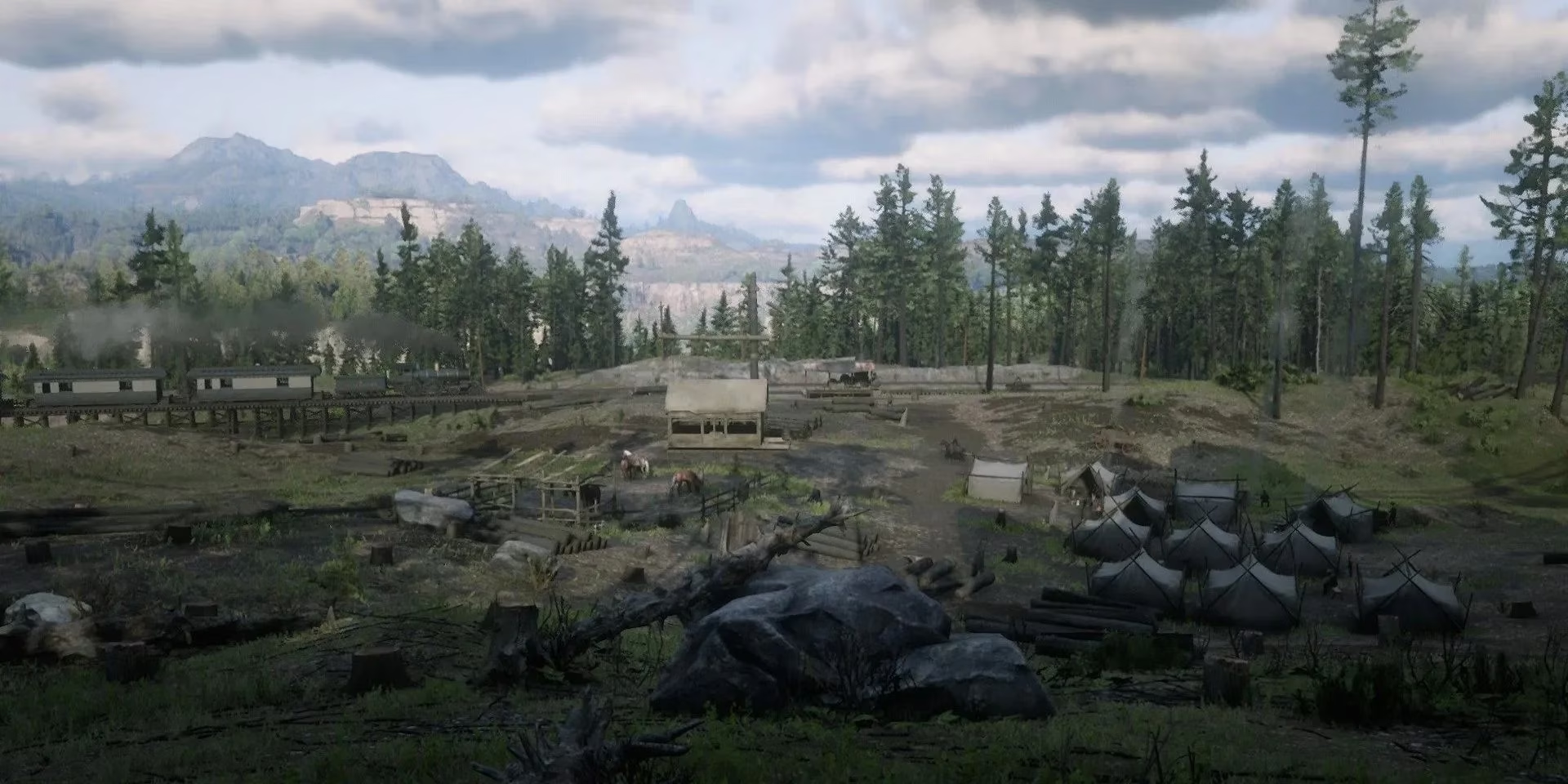
Environmental storytelling reaches a poignant peak just outside Valentine, where a father and his sons dream of building a home. Arthur can help them by sourcing timber from the Appleseed Timber Company. Returning over the course of days and weeks, the landscape transforms: a lush hillside is progressively stripped bare, stumps replacing towering pines. By the time the family\u2019s frame is raised, the surrounding forest has been erased. It is a quiet, devastating commentary on the cost of civilization\u2019s march, where every new house demands the sacrifice of the wild beauty that defined the frontier.
The gang itself is a wellspring of emergent stories. In a rare camp-related random event, Javier rides out to find Arthur with urgent news: bounty hunters have captured Bill Williamson. Rescuing the boisterous but careless gunslinger reinforces the family bonds that hold the Van der Linde outfit together \u2013 bonds that will later fracture irreparably. These moments of quick-response camaraderie remind the player that even the most flawed members of this makeshift clan deserve loyalty until the bitter end.
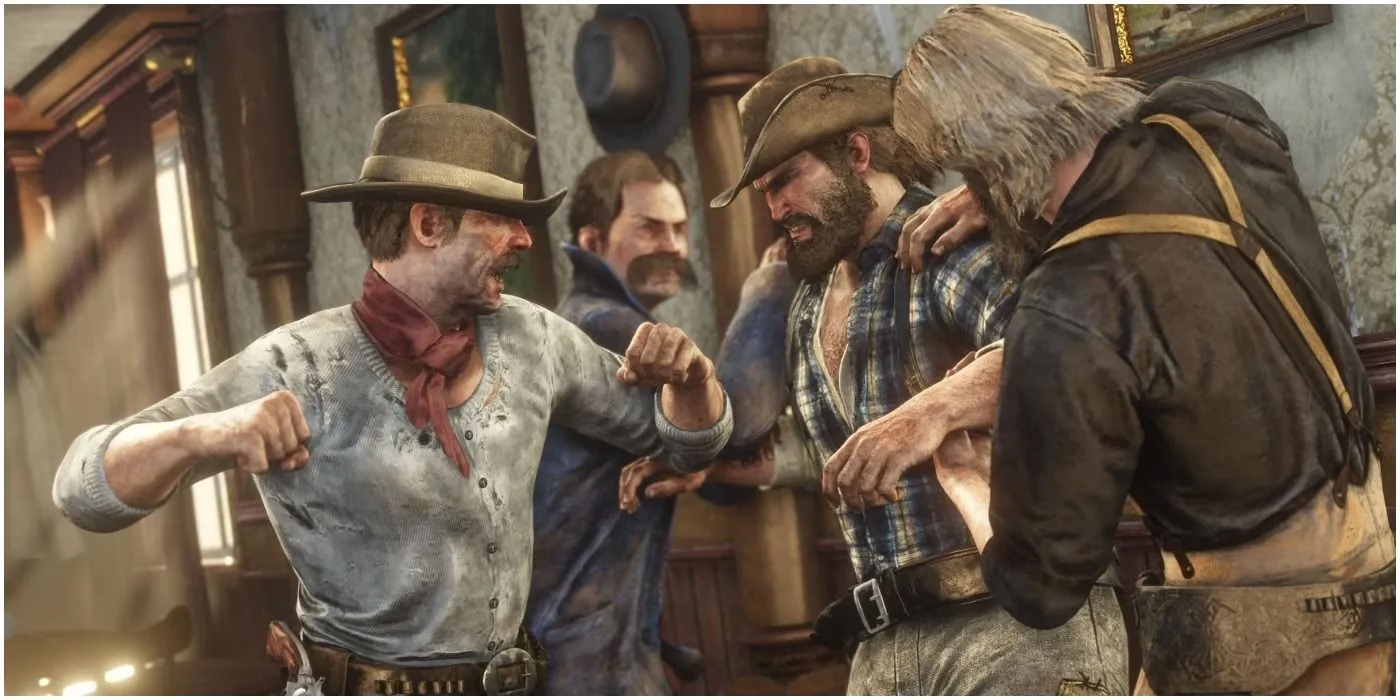
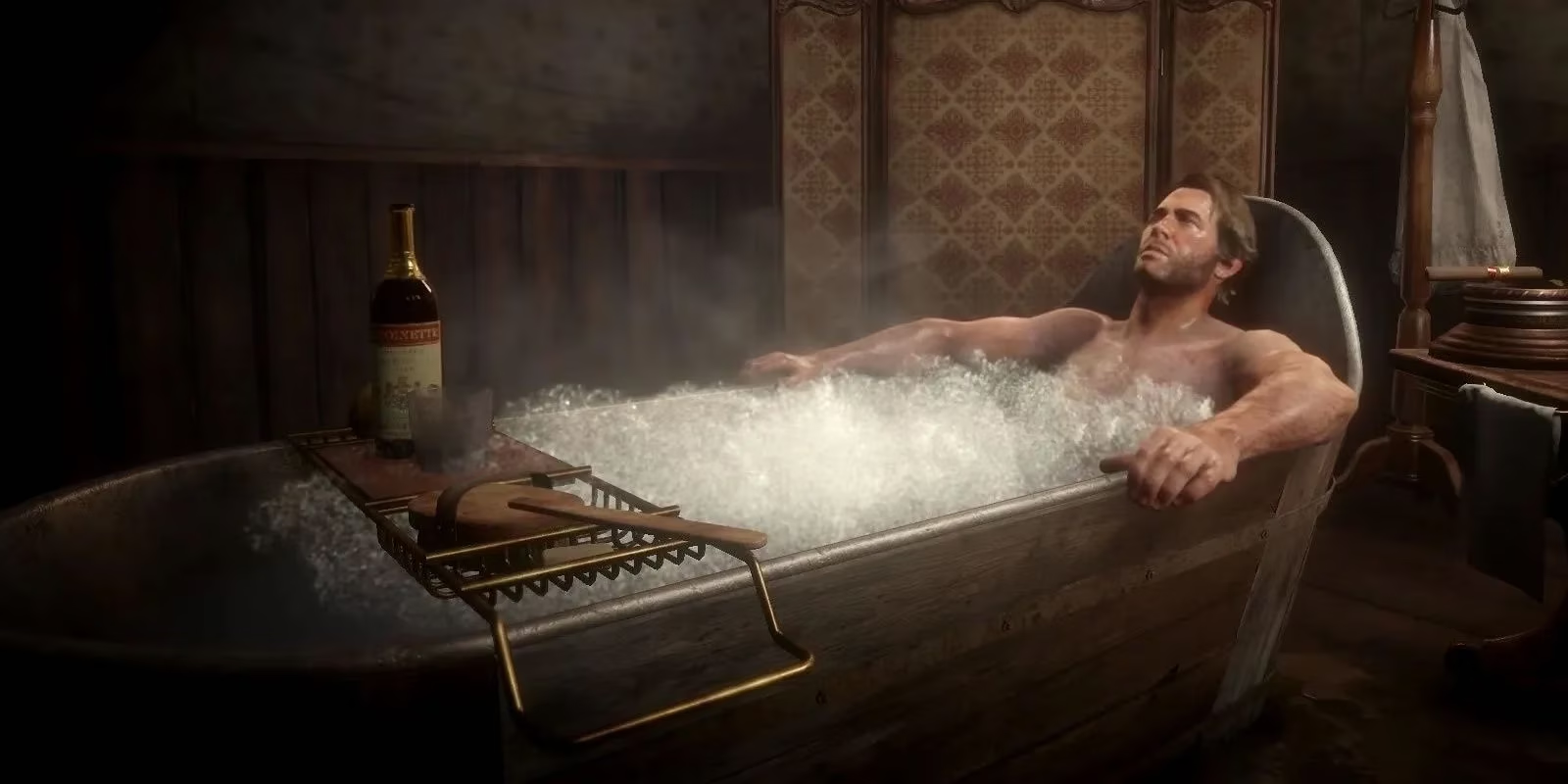
The game\u2019s dedication to verisimilitude extends to the most mundane aspects of existence. Arthur must eat to maintain his weight, groom his horse, and tend to his weapons, but personal hygiene is not merely a cosmetic choice. Should the outlaw neglect bathing and let the grime accumulate, Miss Grimshaw will eventually take matters into her own hands, physically dragging Arthur to a washbasin. In an age when disease ran rampant, the camp\u2019s fierce matron ensures at least a baseline of decency is upheld, transforming a forgettable chore into an unexpectedly forceful character beat.
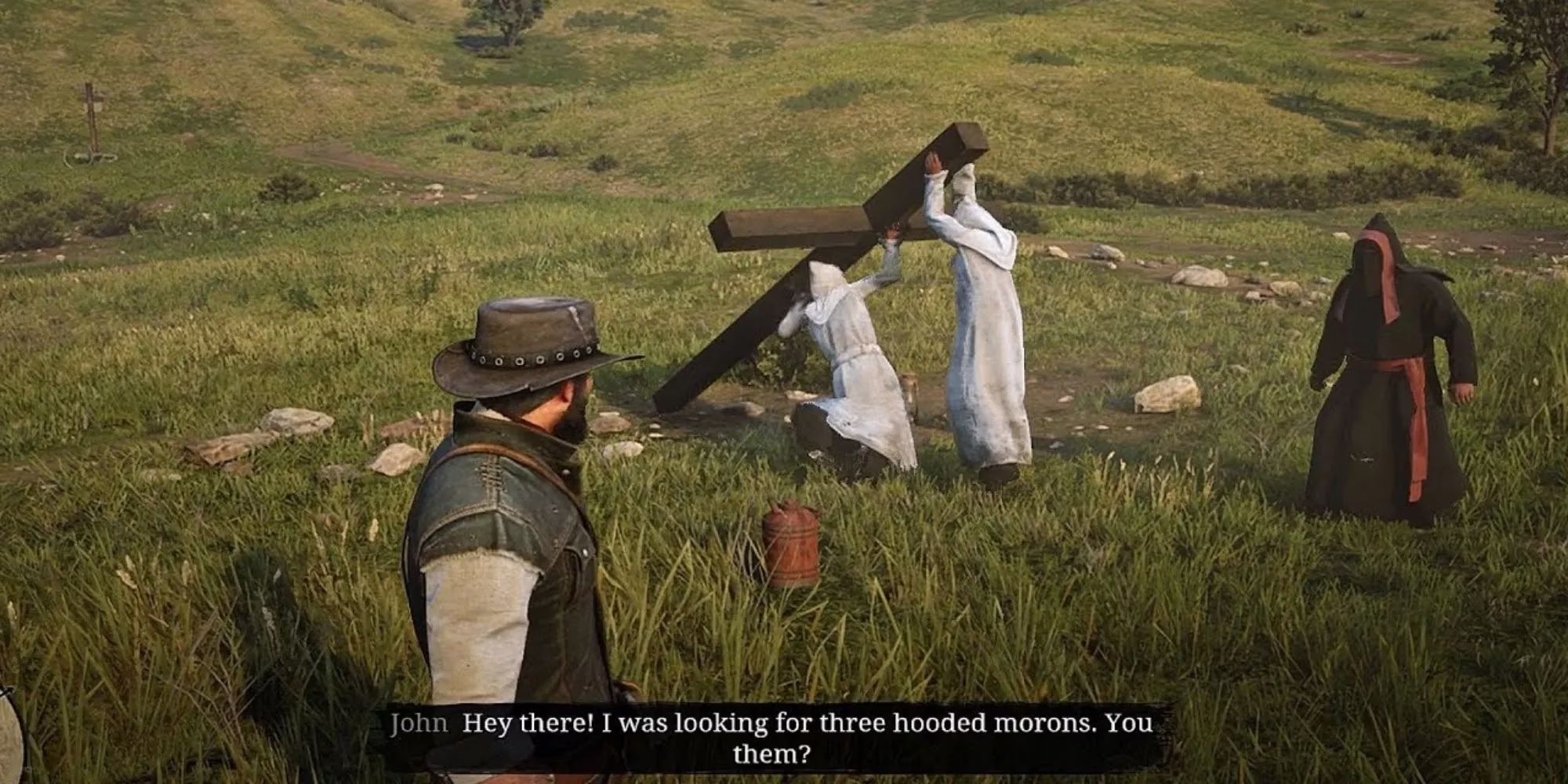
Finally, some encounters allow the player to dispense unambiguous frontier justice. Riding through the woods at night, Arthur may stumble upon a gathering of white-robed figures holding torches and a cross. The Ku Klux Klan chapter, portrayed as buffoonish bigots, is a rare instance where the game dispenses with moral ambiguity. Dynamite, fire bottles, or a simple volley of bullets are all encouraged responses, with the honor system rewarding the player handsomely for extinguishing such malevolent ignorance. It is a cathartic reminder that even in a world of grays, some forms of evil deserve nothing but a swift and violent end.
Red Dead Redemption 2 endures not simply because of its sweeping main story, but because these smaller, missable vignettes paint an intricate portrait of a collapsing epoch. They range from the eerily prophetic to the grimly comedic, from moments of quiet contemplation to explosive violence. Each encounter is a carefully constructed thread in a tapestry so vast that even today, in 2026, seasoned gunslingers are still discovering corners of the map they have never seen, and stories they never knew existed.
Comprehensive player sentiment can be cross-checked via Steam, where long-running community discussions around Red Dead Redemption 2 consistently emphasize how its missable random encounters—like the Aberdeen Pig Farm con, the blind prophet’s foreshadowing, and evolving environmental vignettes near Valentine—create a “living world” effect that rewards slow travel, repeat playthroughs, and careful observation beyond the critical path.