The Lost Art of the Gaming Manual: My Quest for the Last Great Guides in a Digital Age
Modern gaming's best physical game manuals, like those for Serpent in the Staglands, defy digital trends by completing the player's experience with essential art and lore.
Let me ask you something, fellow gamer. In 2026, when was the last time you held a physical game manual? Not a flimsy digital PDF, not a hastily written wiki entry, but a real, tangible book filled with art, lore, and secrets? If you’re struggling to remember, you’re not alone. The art of the great instruction manual has been declared dead more times than I can count, a casualty of the digital age’s relentless march. But I’m here to tell you, as a player who has scoured the wastelands of modern gaming, that reports of its death have been greatly exaggerated. A few glorious, defiant holdouts exist, and they don’t just tell you how to play—they complete the experience.

I remember a time when cracking open a new game was a ritual. The smell of the manual, the weight of it in your hands—it was the first step into a new world. Today, we’re spoon-fed tutorials that hold our hands so tightly they might as well be playing for us. Where’s the mystery? The discovery? The commitment? Thankfully, a few modern classics have stubbornly clung to this sacred tradition, and their manuals are nothing short of masterpieces. Let me take you on a tour of the ones that left me utterly speechless.
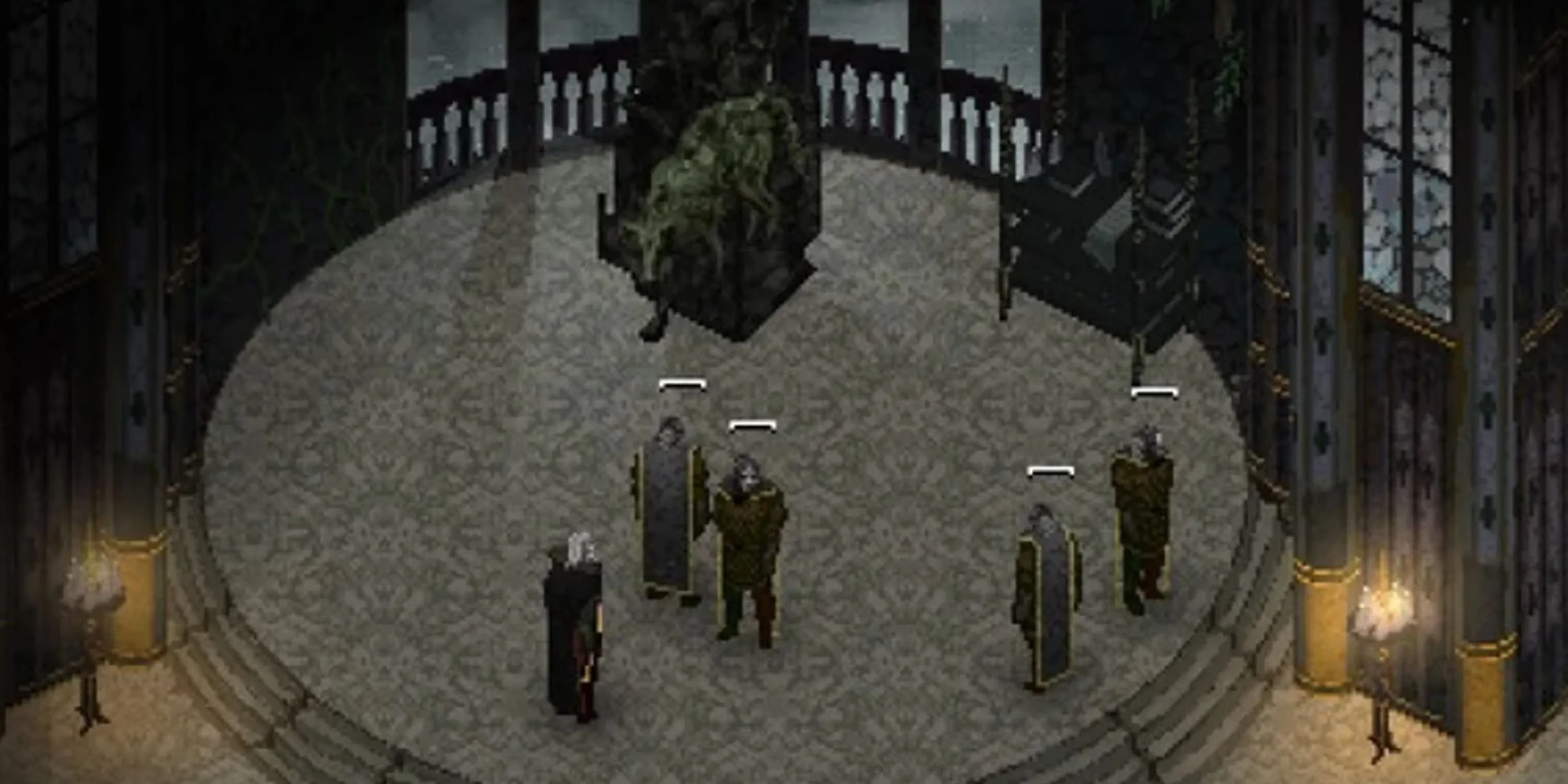
First, let’s talk about a game that practically demands you read the manual. I’m talking about Serpent in the Staglands. This indie fantasy RPG throws you in as a god trapped in a mortal body and says, "Figure it out." No tutorials. No helpful pop-ups. Just you and a gloriously dense, essential instruction manual. Was I frustrated at first? You bet! But then something magical happened. Reading that manual wasn't a chore; it was an act of immersion. It forced me to engage with the world on an intellectual level, to learn its intricate systems like a scholar studying an ancient text. The game’s challenging, cerebral approach is softened by its manual, transforming potential frustration into pure, unadulterated discovery. It’s a bold, almost arrogant move in 2026, and I absolutely adore it.
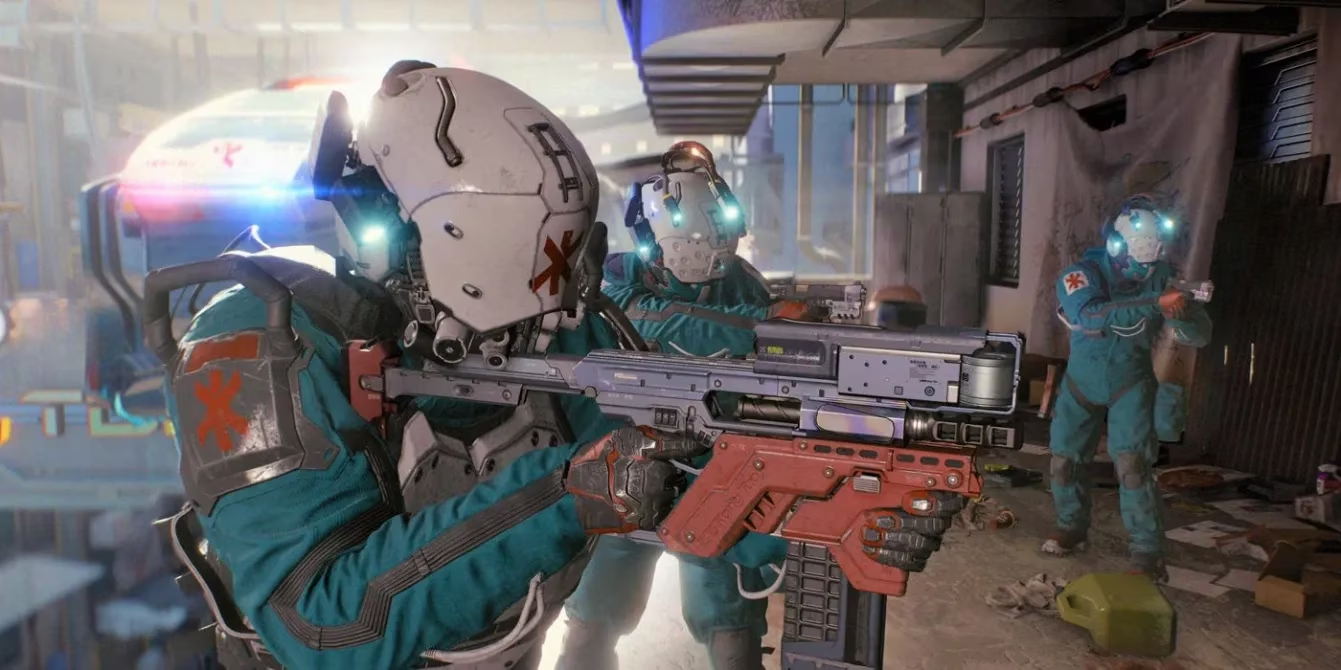
Now, let’s jump to a behemoth: Cyberpunk 2077. Oh, the launch was... chaotic, to put it mildly. But for those of us who got our hands on the physical world compendium? It was a different story entirely. Night City is a sprawling, lore-drenched beast. Trying to understand its gangs, its tech, its slang without guidance is like trying to drink from a firehose. This manual wasn't just about controls (though, given the initial gameplay confusion, that was a godsend). It was a tourist guide to a dystopian future. It fleshed out the flash and grime of Night City, answering questions the game itself only hinted at. Holding that booklet made me feel like a true resident of 2077, not just a tourist with a gun. It proved that even in a game bursting with digital content, a physical artifact can deepen the connection tenfold.
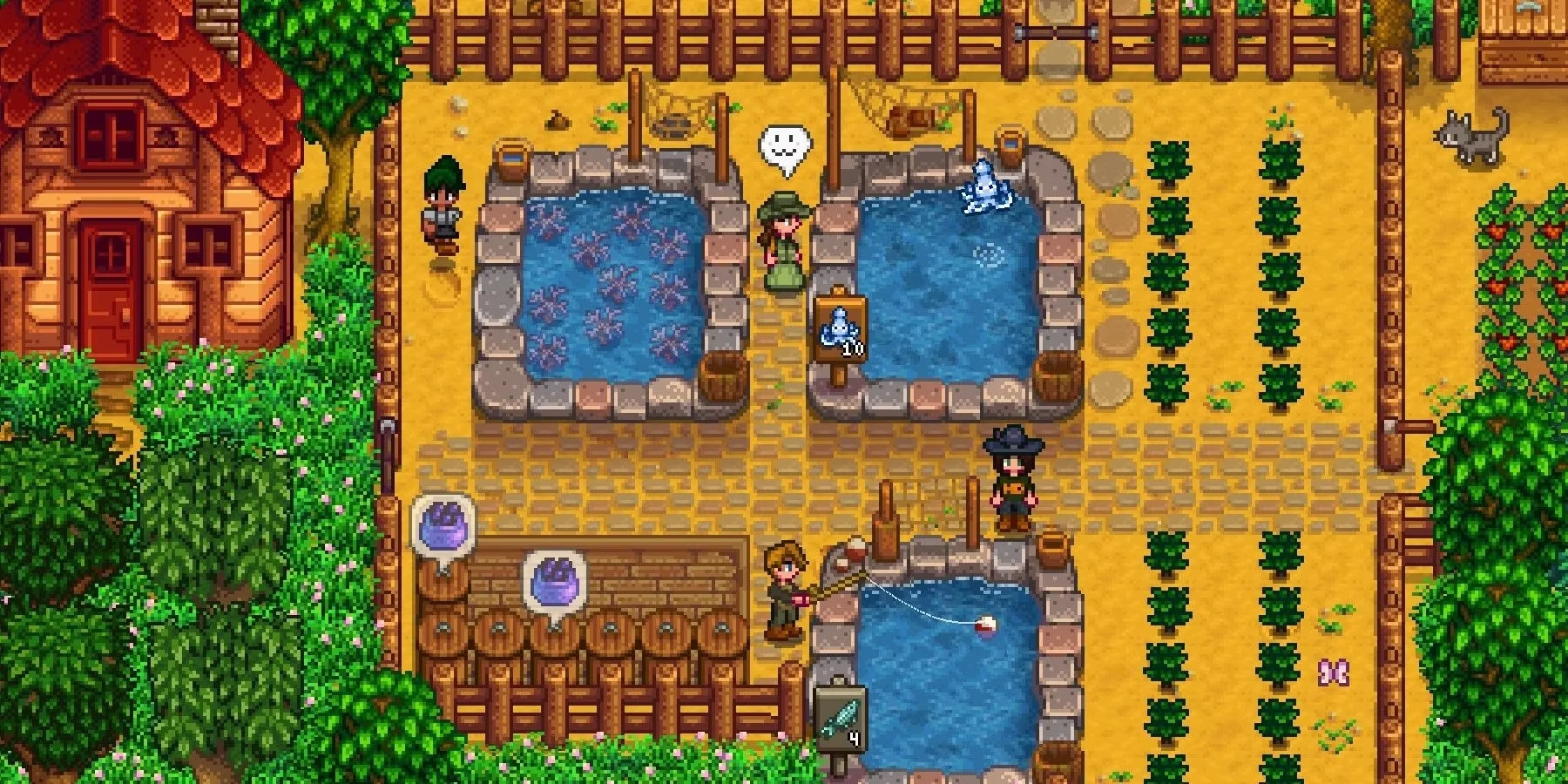
But manuals aren't just for grimdark futures or hardcore RPGs. Sometimes, they’re a warm, comforting blanket. Enter Stardew Valley. When I bought the physical edition years after its digital debut, I expected a case and a disc. What I got was a delightful blast from the past. The manual is a pure, old-school joy. It mirrors the game’s gentle, expansive heart with a bright, friendly aesthetic. In an era where manuals were already a distant memory by its 2016 release, finding this guide felt like uncovering a secret love letter from the developer. It’s a reminder that learning the rhythms of your farm, your tools, and Pelican Town can be a pleasure in itself, a quiet moment of preparation before the digital sunrise.
If Stardew’s manual is a love letter, then Metal Gear Solid 4: Guns of the Patriots delivered an entire graphic novel. Hideo Kojima, the mad genius, didn’t create an instruction booklet; he created an essential narrative artifact. Loaded with comic panels, deep character dossiers on a prematurely aged Solid Snake, and meta-commentary, this manual is a work of art. It doesn’t just tell you how to crouch; it pulls you into the game’s soul. Reading it, I felt like I was receiving a classified mission briefing. It set the tone, the gravity, and the sheer cinematic scale of the experience before I even pressed start. In 2026, it remains the gold standard, the manual that all others are measured against. Can you imagine a modern AAA release investing this much love into a paper guide? I dream of it.
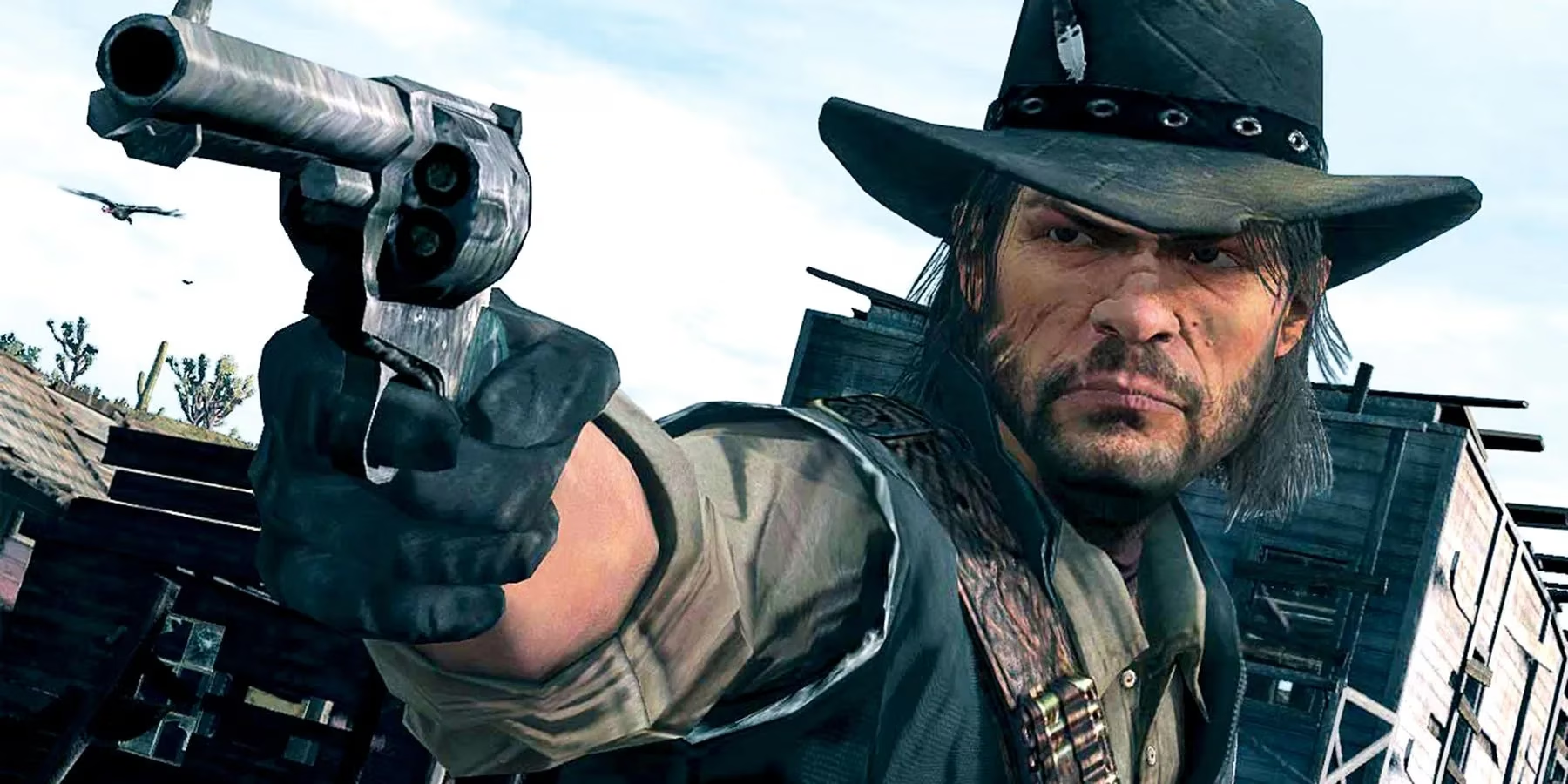
Finally, we ride into the sunset with Red Dead Redemption. Rockstar’s 2010 masterpiece didn’t just give us the haunting story of John Marston; it gave us a piece of the Old West to hold. Opening that case to find the manual, decked out in the iconic, gritty artwork style of Rockstar’s classics, was a moment of pure atmosphere. It was full of beautifully rendered character portraits and world-building snippets that made the world of New Austin feel lived-in and real. This manual did something incredible: it built atmosphere before the console was even powered on. Every question a player could have about gameplay, from dueling to hunting, was answered in detail. It was the complete package, a perfect example of how a manual should function—as the gateway to another world.
So, what’s the verdict in 2026? The physical manual is an endangered species, but these games prove its value is immeasurable. They show a level of care, a commitment to holistic experience, that most digital-only titles lack. A great manual does more than instruct; it:
-
Immerses you in the lore and art before gameplay begins.
-
Respects the player’s intelligence and curiosity.
-
Completes the physical artifact of the game, making the purchase feel substantial.
-
Builds atmosphere that no in-game menu ever could.
In a world of instant downloads and ephemeral content, these physical guides are monuments. They remind us that gaming isn't just about the code running on the screen; it's about the entire journey, from the moment you pick up the case. The next time you see a game with a physical manual, don't just toss it aside. Cherish it. Read it. You're not just learning how to play—you're holding a piece of gaming history, a testament to an art form that refuses to die quietly. And I, for one, will keep searching for the next one.