Great Games, Tiny Grumbles: The Annoying Details Players Still Remember
Tiny grumbles—small, annoying game design choices—can mar otherwise great games, from DOOM 3 reloads to Witcher 3 weapon wear.
Every great game has at least one tiny pebble in its shoe. The combat is crisp, the world is gorgeous, the story lands, and then some small design choice clears its throat and ruins the mood. In 2026, players are still fondly arguing about these paper cuts, because a masterpiece can survive a bad feature and still be remembered for it. The following offenders are not disasters. They are just the little bits that make players sigh, put down the controller, and mutter, 'no one asked for this.'
The Hall of Tiny Grumbles
| Game | Tiny Grumble | Why It Stings |
|---|---|---|
| DOOM 3 | Uninterruptible reloads | Weapon swapping cannot save the player from a full animation |
| Red Dead Redemption | Time-locked missions | A distant marker can be a closed door until the clock cooperates |
| SpongeBob: Battle for Bikini Bottom | Bubble Bowl windup | SpongeBob tiptoes forward and may step off the puzzle button |
| Control | Save-point respawns | Boss retries include a hallway stroll and a repeated intro |
| Star Wars Bounty Hunter | In-flight lock-on | The camera turns, and Jango suddenly flies somewhere else |
| Many games | Unskippable cutscenes | The player has seen this speech before, thank you |
| The Witcher 3: Wild Hunt | Weapon degradation | Geralt swings, and his sword quietly loses its edge |
| GoldenEye 007 | Oddjob's odd size | Auto-aim cannot touch him, which feels like a party foul |
| Far Cry 3 and 4 | Fall damage | The hero has the ankles of a paper straw |
| Mass Effect | Awful checkpoints | Hours of progress can vanish without manual saving |
When Realism Becomes a Chore
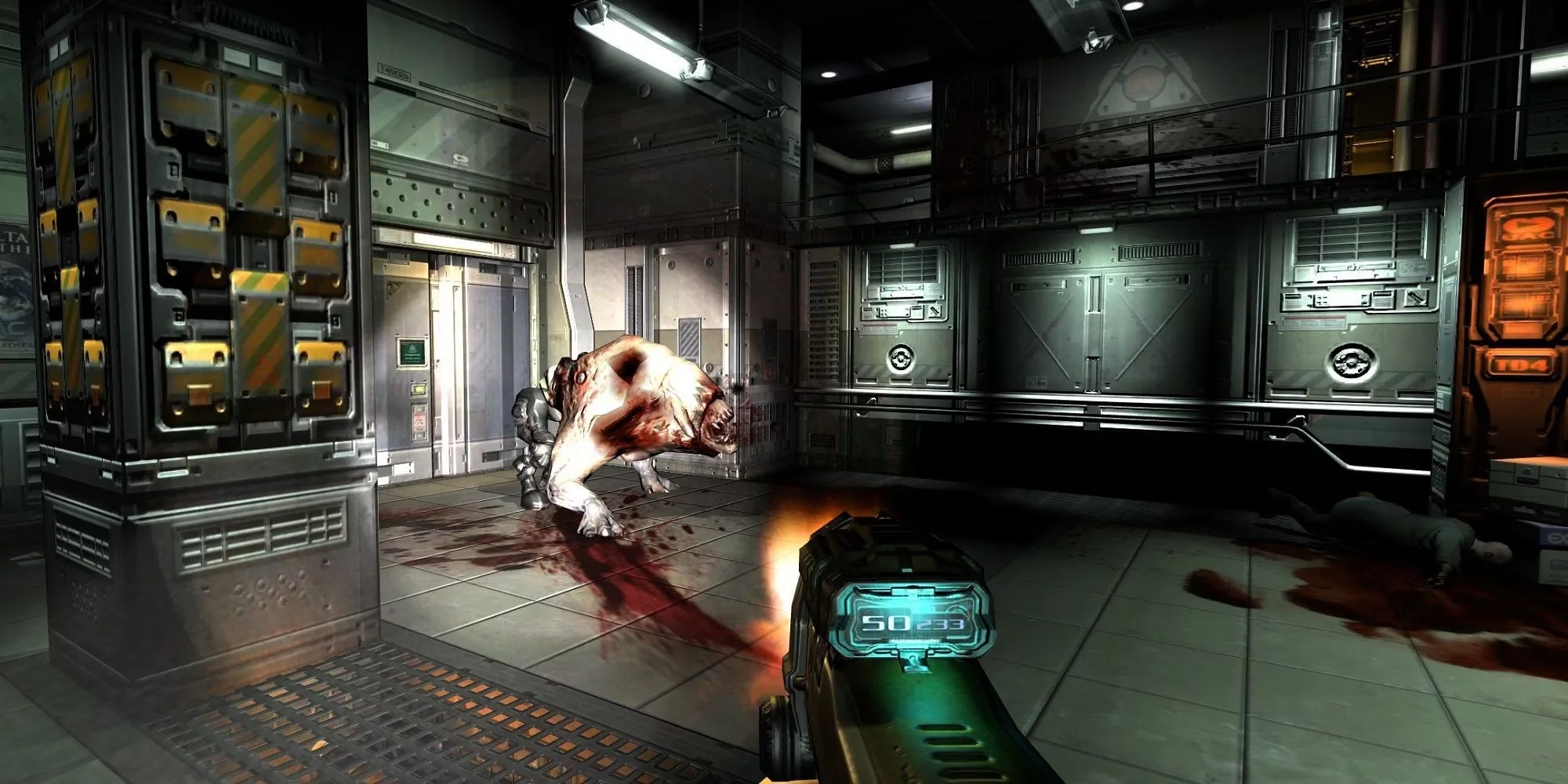
DOOM 3 made a bold shift from bombastic action to claustrophobic survival horror. It also made reloading a commitment. Once a gun starts reloading or runs dry, the player must sit through the entire animation before firing or even switching weapons. In most games, swapping weapons is the quick escape hatch. In DOOM 3, that hatch is welded shut. The tension is real, but so is the irritation. The shotgun's laughably short range does not help matters either.
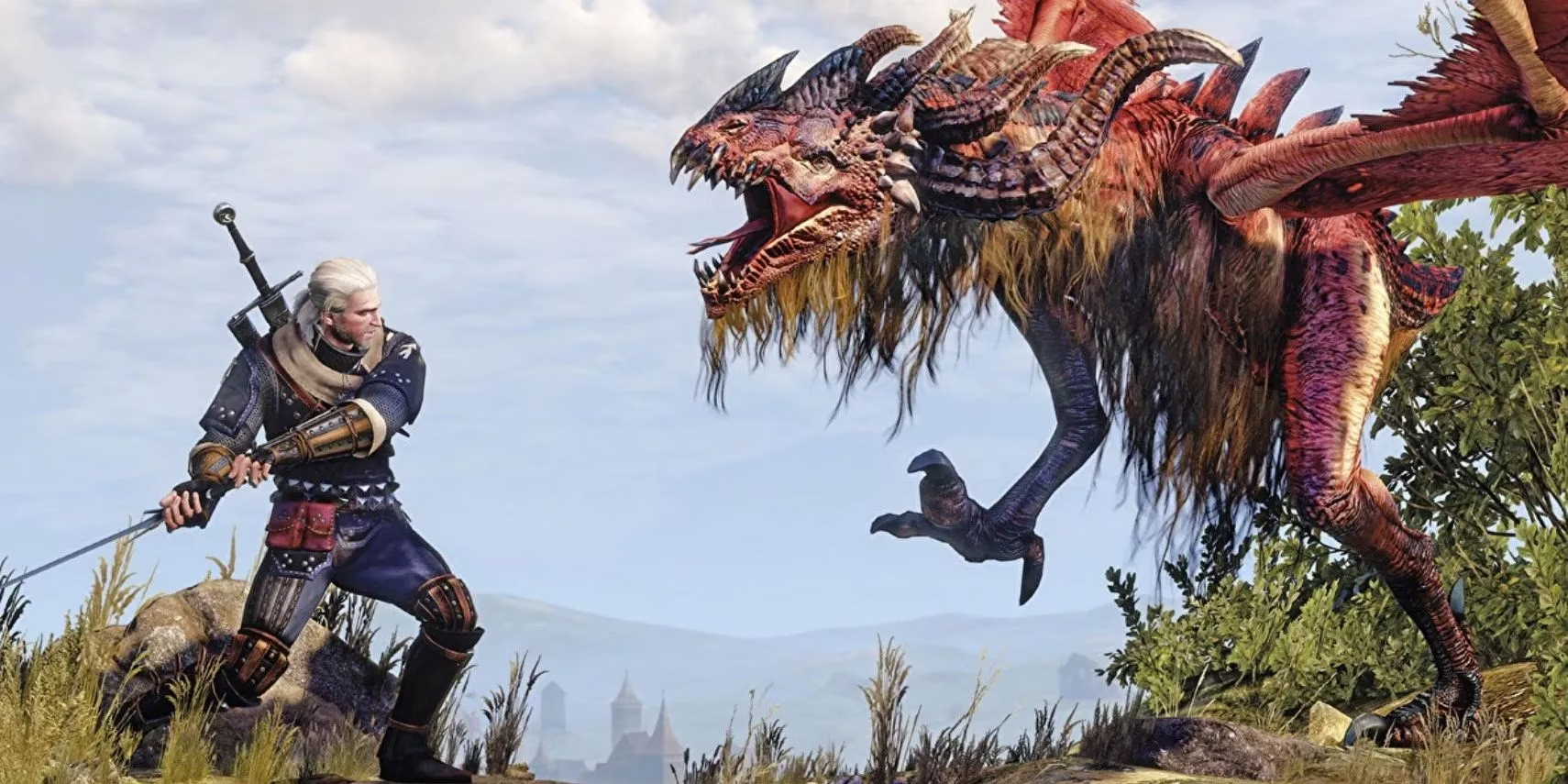
The Witcher 3: Wild Hunt has the same problem in a fancier coat. Geralt's weapons wear down with every swing, and while they do not snap like twigs, they lose effectiveness. Yes, blades need sharpening and armor needs repairing. But in a world full of magic, one might expect a wizard, a rune, or a very enthusiastic blacksmith to solve this. Instead, players are left checking durability like a responsible adult. It is a love-it-or-hate-it mechanic, and honestly, the hate side has a strong argument.
The Open World Says Come Back Later
Red Dead Redemption and its sequel are immersive masterpieces, but immersion has a curfew. Some missions are available only at certain times of day. It makes sense that NPCs do not wait around 24/7 for the player. It is still annoying to ride across the map, reach a distant objective marker, and discover the mission will not open for a few more in-game hours. The world is huge, and a rest option can pass time quickly, but waiting for a specific clock is a special kind of tedium. One player's immersion is another player's wasted evening.
Aiming, Flying, and Tiptoeing Into Trouble
SpongeBob: Battle for Bikini Bottom is a children's game with a surprisingly sharp bite in its later stages. The Bubble Bowl is a signature ability, and it destroys enemies and obstacles with great enthusiasm. The problem is the windup. While aiming, SpongeBob tiptoes forward. That tiny creep can push him into enemy range or off a key button needed for a puzzle. It is the kind of feature that turns a simple task into a comedy of errors, except the player is not laughing.
Star Wars Bounty Hunter gives Jango Fett a jetpack and a pile of weapons, most of which lock on to targets. This works fine on the ground. In the air, it becomes a slapstick routine. The camera swings to face an enemy, and Jango's flight direction goes with it, sometimes sending him in the exact opposite direction he intended. A careful player might survive. A less careful player might lose a life to a ledge that appeared out of nowhere. Come on, Jango.
Save Points, Checkpoints, and Cutscenes
Control combines telekinetic powers with eerie mystery, and its save points offer respite from the many eldritch monstrosities. Unfortunately, death returns the player to the most recent save point, which may be nowhere near the current position. Boss fights suffer most. Instead of restarting the fight, the player wanders through halls and sits through the introduction again. It is a minor inconvenience, but it is an inconvenience with perfect attendance.
Mass Effect has a similar wound, though it cuts deeper. Checkpoints are few and very far between in the first game. If the player has not been manually saving, they can lose literal hours of progress, from combat encounters to conversations to items picked up along the way. The galaxy is vast, but losing that much progress makes it feel small and cruel.
Then there are unskippable cutscenes, the universal grumble. Cutscenes are integral to storytelling, but sometimes players have seen the speech, beaten the boss, and simply want to play. Games from Pokemon to Final Fantasy have fallen into this habit. A difficult boss intro, a tedious NPC conversation, or an uncomfortably long exposition dump can make a player stare at the screen like a patient waiting for a train that is late.
Party Night and Broken Ankles
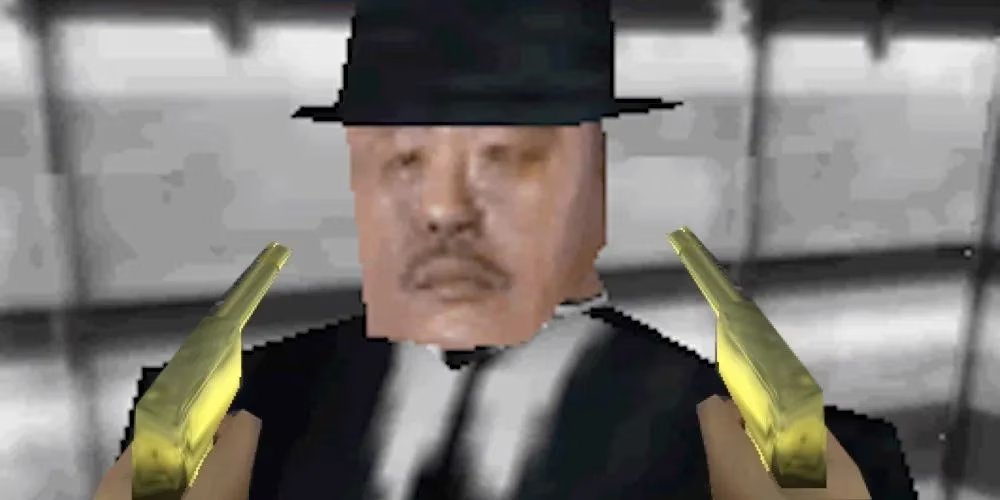
GoldenEye 007 made Oddjob smaller than every other character, which is strange given that he is a large and imposing foe in the film and book. The result is that auto-aim cannot touch him. Players must manually aim, giving Oddjob a massive advantage. Even now, choosing him in a party match feels like cheating. GoldenEye was one of the best party games around, as long as nobody picked Oddjob.
Far Cry 3 and Far Cry 4 take fall damage seriously. Very seriously. The protagonists seem to have the weakest ankles in gaming, taking massive damage or dying instantly from falls that would be inconsequential elsewhere. A little realism is fine. A hero who cannot survive a short hop is a hero who needs better boots and maybe a doctor.
The lesson is not that these games are bad. They are great games with small, sticky details that players remember years later. In 2026, the industry still trips over the same tiny rocks, which is almost comforting. Almost.